At this point last year rumours about the iPhone 4 had reached a gentle stream, the rumours suspected a high-resolution display and a front facing camera, software releases pointed towards high-definition video recording. All of this is what we expect in the Apple rumour game and 2010 was the first year where we could be all but certain of Apple's release plans. With the previous two years playing out with a June announcement followed by release a couple of weeks later.
Then in mid-April we got the most extraordinary product leak the Apple web has ever seen, the iPhone 4 (at the time dubbed iPhone HD) was revealed in photos and video for all to see. We all know the story by now but it was like nothing the rumour sites had ever seen before.
So this leads us nicely onto the iPhone 5, with an expected announcement at WWDC in June and a release only a week or so later it is April time that the rumours begin to roll in. It's not hard to believe that Apple will have locked down the testing procedure for the iPhone 5 to ensure it doesn't reach unwanted hands but with a large and wide ranging manufacturing network it'll be impossible for Apple to keep all the components under wraps.
The most recent rumours surround the design and whether the iPhone 5 will pack near-field communication technology, or not.
A report from late 2010 wrote that Apple was intending to use NFC technology in its mobile devices, with an analyst in late-January noting that NFC would make an appearance in the iPad 2 and iPhone, now we know that at least half of that report wasn't true. More recently a rumour from the UK's Independent paper that cited several sources said that Apple had abandoned any NFC plans for the iPhone 5.
Forbes blogger Elizabeth Woyke claims that NFC based payment systems will make it to the iPhone 5 and her sources include an entrepreneur who has "a friend who works at Apple". As of last week The New York Times specified that Apple would make use of a Qualcomm chip to deploy the NFC technology, but does not say that it will arrive in the iPhone 5.
Between the rumours from what look like good sources and those from "friends of a friend" it is difficult to pinpoint when Apple will introduce NFC technology, at the same time it has also become increasingly difficult to establish how Apple would make use of NFC.
NFC is commonly used on contactless payment systems, such as those found on many transport systems and on some credit or debit cards. NFC allows short range transfer of data between a device and a reader; with Apple's database of hundreds of millions of iTunes accounts with connected credit cards it is not hard to believe that Apple would wish to harness such technology.
Speculation has also surrounded whether Apple would take NFC further and use it as a portable login system. A report from Cult of Mac details how user profiles, documents and apps would appear on an NFC equipped Mac when an NFC equipped iPhone is brought into range.
According to our source, who asked not to be named, when a NFC-equipped iPhone is paired with a guest machine, part of the users profile includes the apps theyve purchased through the Mac App Store. The icons for their apps appear on the remote Mac, but aren't downloaded, our source said.
Apps would reportedly be downloaded upon demand and documents would be saved and synced back through MobileMe for access from other devices. Once the NFC equipped iPhone is moved out of range and thus the connection broken then the Mac will return to its original state with the apps, documents and data being deleted.
One of the major rumours surrounding the iPhone 5 focuses on the display, last year the iPhone 4 kept the same 3.5-inch (89mm) sized display that featured in all the previous iPhones, the difference was Apple significantly improved the quality of the display and quadrupled the resolution to 960x640 pixels.
Rumours from multiple sources claim that Apple will not increase the size of the physical iPhone but will instead push the display right to the edges of the device and will therefore afford to have a 4-inch (102mm) display.
None of the rumours state how Apple would deal with the increased size of the display, as written in a very detailed article by Chris Rawson over at TUAW he discounts the idea that Apple would scale apps, or that developers would enjoy having to support three different resolutions. Rawson goes onto discuss how Apple could introduce a new form factor display with the iPhone 5, eventually concluding that the display will most likely remain at 3.5-inches.
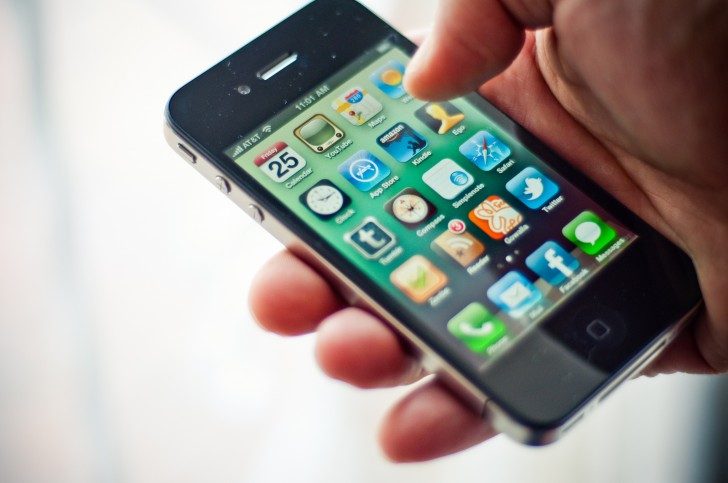
So what else are the rumours gravitating towards on the iPhone 5? Well, that contentious antenna of course. When the iPhone 4 launched Apple made a big deal out the new external facing antenna that significantly improves not only signal from mobile carriers but also GPS, WiFi and Bluetooth. Whilst the antenna certainly did improve signal it was marred with reports of being easy to attenuate and Apple made several efforts to appease the reports.
With the release of the Verizon iPhone in early 2011 it was somewhat clear that Apple had made attempts to improve the quality of the antenna included, now rumours suggest that Apple will go to even further lengths. The most recent rumour from Chinese newspaper China Times says that the iPhone 5 will have a "metal chassis" for improved antenna design, but does expand on exactly how Apple will make the improvements.
All rumour aside, there are some elements of the iPhone 5 that we can make educated guesses about though. When Apple released the original iPad in 2010 it featured Apple's A4 processor and 256MB of RAM, when the iPhone 4 came along later in the year it packed Apple's A4 processor but 512MB of RAM. This years iPad includes the new A5 dual-core processor but only 512MB of RAM, it is a safe bet that the iPhone 5 will include the A5 but will Apple set a precedent and bump the RAM to 1GB? It would seem logical that Apple will retain the iPhone 5 with 512MB of RAM from a price point of view and bring all iOS mobile devices in line with each other spec wise.
Further speculation circles around the idea that Apple will unify both the CDMA and GSM iPhone, whilst the technology exists on the market to have one chip capable of connecting to both types of network the recent release of the iPad 2 would suggest that Apple currently has no intention of doing so and will continue to ship separate hardware for use on GSM and CDMA networks.
Whilst we can't expect a product leak on the scale of last years all of the above speculation will become clearer in the coming months leading up to the release of iPhone 5 in June.